
The 1988 Seoul Olympics and Roh Tae-woo’s Diplomatic Strategy
Written by Theo Pallesen
Korea’s First Big Opening to the World
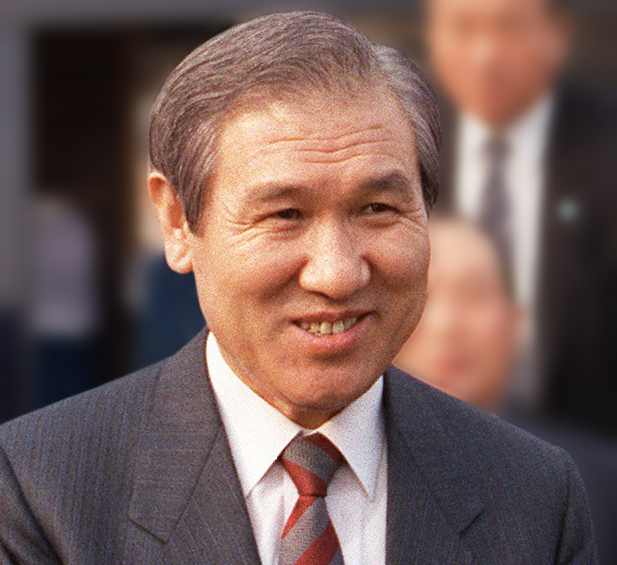
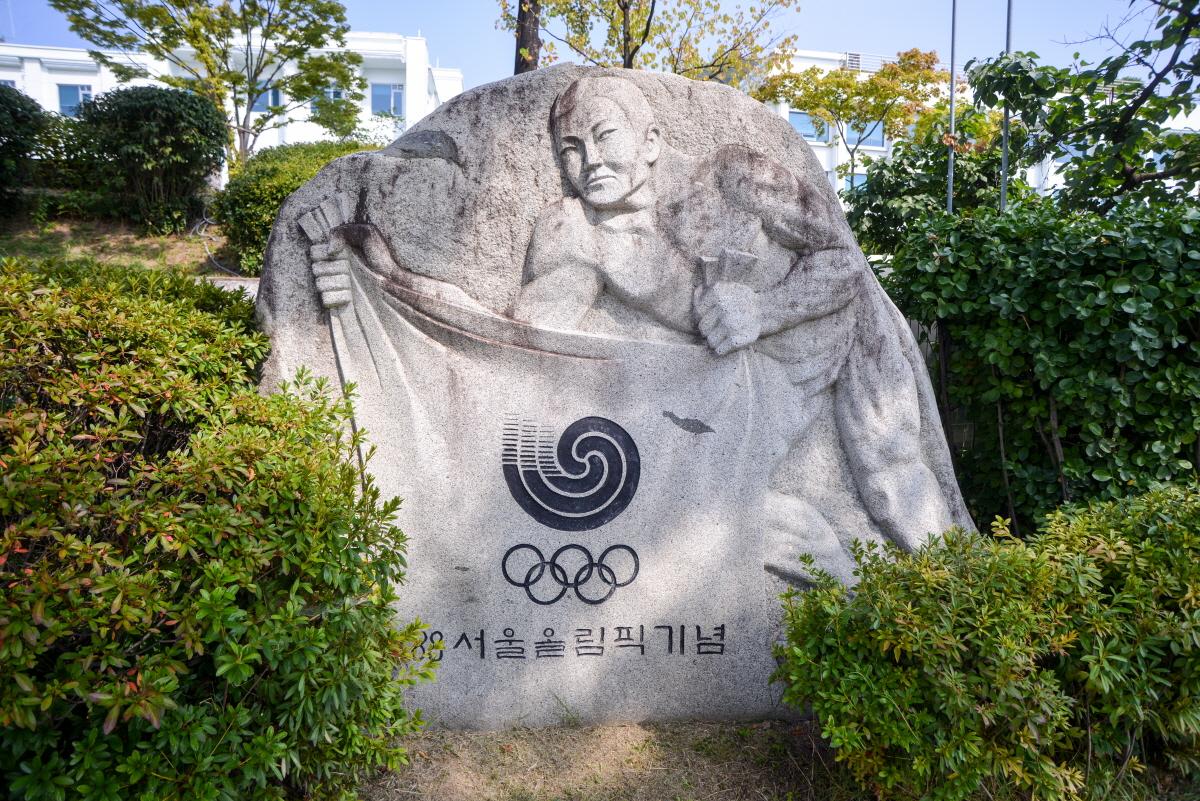
The 1988 Olympics was the first big opening of Republic of Korea to the world. The president at the time, Roh Tae-woo (노태우) wanted to show Korea in the best possible way. He had big ambitions to host the Olympics successfully, which meant inviting as many countries as possible.
At the time, the Cold War still divided much of the world. North Korea tried to convince socialist countries to boycott the Seoul Olympics, arguing that the Games should be co-hosted by both Koreas. However, most countries still attended. Even communist countries such as the Soviet Union and China joined the Olympics in Seoul. This became a major diplomatic success for South Korea.
More Than Just Sports
The Seoul Olympics were not only about athletics and medals. Roh Tae-woo used the Games as a political and diplomatic project. South Korea wanted to improve its international image and show that it was becoming a modern and democratic country.
Only one year earlier, South Korea had experienced large democratic protests in 1987. After years of authoritarian governments, many people demanded direct elections and greater political freedom. Hosting a peaceful and successful Olympics helped present South Korea as stable, developed, and internationally respected.
For many foreign visitors, the Olympics changed how they viewed Korea. Instead of seeing the country only through the lens of war and division, they saw a rapidly developing nation with growing global influence.
Nordpolitik and the Cold War
One of Roh Tae-woo’s main foreign policy goals was Nordpolitik. This policy aimed to improve relations with communist countries that had traditionally supported North Korea.
The Olympics became an important tool for this strategy. By welcoming socialist countries to Seoul, South Korea slowly built diplomatic connections with nations such as the Soviet Union and China. This was important because it weakened North Korea’s diplomatic position during the final years of the Cold War.
In the years after the Olympics, South Korea established official diplomatic relations with several former communist countries. Because of this, many historians see the 1988 Olympics as a turning point in Korean diplomacy.
The American Perspective
The Olympics were also important for U.S.–Korea relations. The United States viewed South Korea’s successful hosting of the Games as proof that the country had achieved major economic growth and political development.
At the same time, Roh Tae-woo’s diplomatic outreach matched broader international efforts to reduce Cold War tensions during the late 1980s. South Korea was no longer only a divided country threatened by war, but also an emerging global actor with increasing diplomatic influence.
A Turning Point for South Korea
Today, the 1988 Seoul Olympics are remembered as much more than a sports event. They marked a moment when South Korea introduced itself to the world on a larger stage. Through the Olympics, Roh Tae-woo strengthened South Korea’s international image, expanded diplomatic relations, and helped position the country as an important player in global politics.
