
Trump–Lee Meeting Revives Questions About Korean Peace
by Theo Pallesen
The two Korean states, North and South, has been in war since 1950. Since a formal peace treaty never happened, they’re technically still in war, but the battles ended in 1953 with an armistice agreement. Since then, there has been a complicated political tension between North and South.
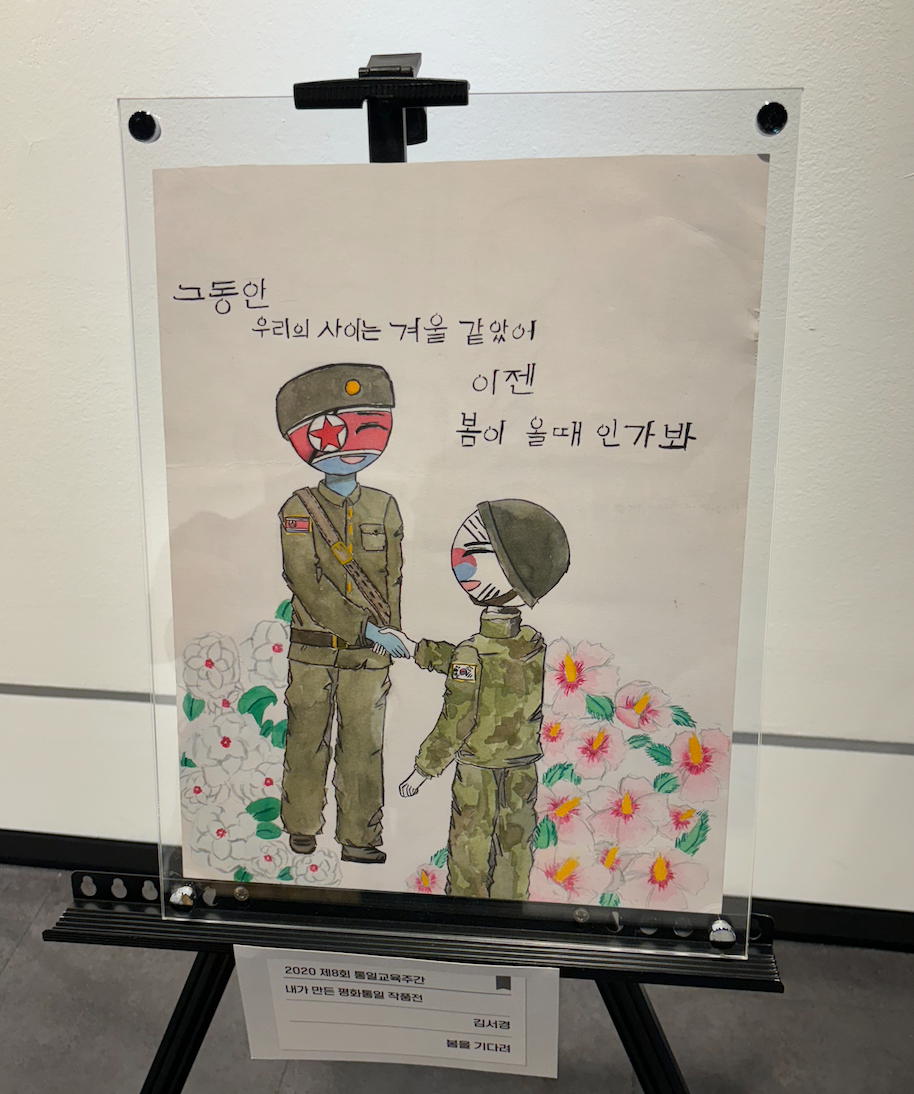
This week, American president, Donald Trump, and South Korean president, Lee Jae-myung (이재명) met for the first time, in the White House. They seemed to get along well, but is the South Korean people pleased with Trump’s statements?
The meeting especially gained attention, when Trump expressed his desire to meet with North Korean leader, Kim Jong-un (김정은) “this year”. Trump used multiple sentences to address his good relation to Kim.
President Lee spent a significant amount of time praising Trump’s past accomplishments and future visions. Afterwards he spoke about potential U.S. assistance in improving relations to Pyongyang – which made some Koreans question his strategy.
“It feels like President Lee lost a bit in the psychological game with Trump,” says Lee Chaeyoon, a South Korean university student.
“He also failed to assert what South Korea should have insisted on. After all, North Korea is still our main enemy, but he reacted too positively to Trump’s praise of Kim Jong-un.”
For now, hopes for peace remain uncertain. While Trump pushes for a high-profile meeting with Kim, South Koreans remain divided on whether Lee’s strategy strengthens Seoul’s position — or risks undermining it.
All eyes are now on the potential meeting between Trump and Kim Jong-un, which could set the tone for regional diplomacy in the coming months. If the summit happens, it may offer a rare opportunity to restart dialogue that has been stalled for years.
However, progress will depend on more than just high-profile handshakes. Meaningful change will require careful coordination between Seoul, Washington, and Pyongyang — as well as trust-building measures that go beyond symbolic gestures. Until then, South Koreans remain cautiously watching, hoping that this time, diplomacy delivers more than promises.
Journalistens note: Dette er den første engelske artikel på Haengbok.dk. Jeg studerer nu (på 2.semester) international journalistik, og denne artikel er en del af forløbet ‘foreign news reporting’.
